
Hastelloy Alloy
C-22

Get a Free Quote NOW
Send Inquiry and Get Our Latest Full Set Data Sheet

Hastelloy C-22
Pipes
Contact Now


Hastelloy C-22 Introduction

Solid Solution
Strengthened Alloy
Resistance
Behavior
Corrosion Resistance
Sulfuric
Acid
Hydrochloric
Acid
Hydrofluoric
Acid
Phosphoric
Acid
Nitric
Acid
Organic
Acids
Alkalies
and Salts
Seawater
Overview
As a leading supplier & manufacturer in China, AEETHER supply cost-effective Hastelloy C-22 Products.
HASTELLOY® C-22® alloy (UNS N06022) is one of the well-known and well-proven nickel-chromium-molybdenum materials, the chief attributes of which are resistance to both oxidizing and non-oxidizing chemicals, and protection from pitting, crevice attack, and stress corrosion cracking. Its high chromium content provides much higher resistance to oxidizing media than the family standard, C-276 alloy, and imparts exceptional resistance to chloride-induced pitting, an insidious and unpredictable form of attack, to which the stainless steels are prone.
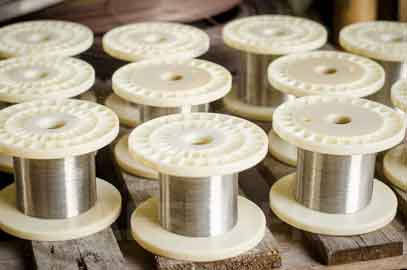
Like other nickel alloys, HASTELLOY® C-22® alloy is very ductile, exhibits excellent weldability, and is easily fabricated into industrial components. It is available in the form of plates, sheets, strips, billets, bars, wires, pipes, tubes, and covered electrodes. Typical chemical process industry (CPI) applications include reactors, heat exchangers, and columns.
Comparative 0.1 mm/y Line Plots
To compare the performance of HASTELLOY® C-22® alloy with that of other materials, it is useful to plot the 0.1 mm/y lines. In the following graphs, the lines for C-22® alloy are compared with those of two popular, austenitic stainless steels (316L and 254SMO), and a lower-molybdenum nickel alloy (625), in hydrochloric and sulfuric acids. The tests in hydrochloric acid were limited to a concentration of 20% (the azeotrope). At hydrochloric acid concentrations above about 5%, C-22® alloy provides a quantum improvement over the stainless steels, and offers much greater resistance hydrochloric acid than 625 alloy in the concentration range 8 to 20%.
Hastelloy C-22 Chemical Composition
S ≤ 0.020%
Si ≤ 0.08%
C ≤ 0.015%
Mn ≤ 0.50%
P ≤ 0.020%
V ≤ 0.35%
W: 2.5% ~ 3.5%
Co ≤ 2.50%
Fe: 2.0% ~ 6.0%
Mo: 12.5% ~ 14.5%
Cr: 20.0% ~ 22.5%
Ni: 50.1% ~ 63.0%
Try our Premium Products




Get a Free Quote NOW
Hastelloy C-22 Standards
Data Sheet
Physical Properties
| Density | g/cm3 | 8.69 | |
|---|---|---|---|
| lb/in.3 | 0.314 | ||
| Melting Range | °F | 2475 - 2550 | |
| °C | 1357 - 1399 | ||
Mechanical Properties
| Form | Test Temperature | Thickness / Bar Diameter | Yield Strength (0.2% Offset) |
Tensile Strength | Elongation | ||||
|---|---|---|---|---|---|---|---|---|---|
| °F | °C | in | mm | ksi | MPa | ksi | MPa | % | |
| Sheet | RT | RT | 0.028-0.125 | 0.7-3.2 | 59 | 407 | 116 | 800 | 57 |
| Sheet | 200 | 93 | 0.028-0.125 | 0.7-3.2 | 54 | 372 | 110 | 758 | 58 |
| Sheet | 400 | 204 | 0.028-0.125 | 0.7-3.2 | 44 | 303 | 102 | 703 | 57 |
| Sheet | 600 | 316 | 0.028-0.125 | 0.7-3.2 | 42 | 286 | 98 | 676 | 62 |
| Sheet | 800 | 427 | 0.028-0.125 | 0.7-3.2 | 41 | 283 | 95 | 655 | 67 |
| Sheet | 1000 | 538 | 0.028-0.125 | 0.7-3.2 | 40 | 276 | 91 | 627 | 61 |
| Sheet | 1200 | 649 | 0.028-0.125 | 0.7-3.2 | 36 | 248 | 85 | 586 | 65 |
| Sheet | 1400 | 760 | 0.028-0.125 | 0.7-3.2 | 35 | 241 | 76 | 524 | 63 |
| Plate | RT | RT | 0.25-0.75 | 6.4-19.1 | 54 | 372 | 114 | 786 | 62 |
| Plate | 200 | 93 | 0.25-0.75 | 6.4-19.1 | 49 | 338 | 107 | 738 | 65 |
| Plate | 400 | 204 | 0.25-0.75 | 6.4-19.1 | 41 | 283 | 98 | 676 | 66 |
| Plate | 600 | 316 | 0.25-0.75 | 6.4-19.1 | 36 | 248 | 95 | 655 | 68 |
| Plate | 800 | 427 | 0.25-0.75 | 6.4-19.1 | 35 | 241 | 92 | 634 | 68 |
| Plate | 1000 | 538 | 0.25-0.75 | 6.4-19.1 | 34 | 234 | 88 | 607 | 67 |
| Plate | 1200 | 649 | 0.25-0.75 | 6.4-19.1 | 32 | 221 | 83 | 572 | 69 |
| Plate | 1400 | 760 | 0.25-0.75 | 6.4-19.1 | 31 | 214 | 76 | 524 | 68 |
| Bar | RT | RT | 0.5-2.0 | 12.7-50.8 | 52 | 359 | 111 | 765 | 70 |
| Bar | 200 | 93 | 0.5-2.0 | 12.7-50.8 | 45 | 310 | 105 | 724 | 73 |
| Bar | 400 | 204 | 0.5-2.0 | 12.7-50.8 | 38 | 262 | 96 | 662 | 74 |
| Bar | 600 | 316 | 0.5-2.0 | 12.7-50.8 | 34 | 234 | 92 | 634 | 79 |
| Bar | 800 | 427 | 0.5-2.0 | 12.7-50.8 | 31 | 214 | 89 | 614 | 79 |
| Bar | 1000 | 538 | 0.5-2.0 | 12.7-50.8 | 29 | 200 | 84 | 579 | 80 |
| Bar | 1200 | 649 | 0.5-2.0 | 12.7-50.8 | 28 | 193 | 80 | 552 | 80 |
| Bar | 1400 | 760 | 0.5-2.0 | 12.7-50.8 | 29 | 200 | 72 | 496 | 77 |
Hastelloy C-22 Applications


FAQ
What is the difference between Hastelloy C-22 and Hastelloy C-276?

The main difference between these two alloys lies in their chromium-to-molybdenum ratio. Although both alloys offer excellent corrosion resistance, they have different areas of emphasis. Hastelloy C-22 has a relatively higher chromium content, making it more resistant to oxidative corrosion. Conversely, Hastelloy C-276 has a higher molybdenum content, making it more resistant to reduction corrosion.
How should the concept of purity be understood?

Purity is a measure of how pure an alloy is, primarily determined by the total amount of impurity or harmful elements, such as sulfur, phosphorus, and oxygen. The fewer the impurities, the higher the purity, and the material’s fatigue life and corrosion resistance will correspondingly improve.
Can you maintain your prices at a constant level over the long term?

This is difficult to achieve, as the cost of alloys is closely tied to the prices of raw materials such as nickel, molybdenum, and cobalt. Whenever market prices for these raw materials fluctuate, our alloy prices will follow suit. This is a normal market dynamic.
What smelting process is used to produce your products?

We employ a dual-process combination of vacuum induction melting (VIM) and electroslag remelting (ESR). In fact, this smelting method is the preferred approach for superalloy production, as it maximizes the purity of the alloy. If other smelting methods are used, the alloy is likely to fail to meet performance standards during subsequent processing or use.
Can you process products in non-standard shapes?

No problem. In addition to standard products, we can also customize them according to your requirements. For example, we can turn seamless tubes into U-shaped tubes, or cut round bars and plates into discs. We can also arrange custom production for products in shapes such as rings and blocks.
Could you tell us about your smelting equipment?

We have a total of over 30 vacuum smelting furnaces and electroslag remelting furnaces, with capacities ranging from 50 kg, 200 kg, 1,000 kg to 5,000 kg, capable of meeting various needs from small to large batches. Thanks to this equipment configuration, we can offer our customers greater flexibility and lower minimum order quantities.
What exactly does elongation represent?

Elongation is the percentage increase in length relative to the original length after the material is broken. It is a key parameter for evaluating a material’s ductility. Higher elongation indicates superior ductility. However, as a general rule, materials with higher ductility typically have correspondingly lower strength.
Related Article




More Hastelloy Grades +
B
S ≤ 0.030%
Si
Si ≤ 1.00%
C ≤ 0.05%
Mn
Mn ≤ 1.00%
P ≤ 0.040%
V
V: 0.20% ~ 0.40%
Co
Co ≤ 2.50%
Fe
Fe: 4.0% ~ 6.0%
Mo
Mo: 26.0% ~ 30.0%
Cr
Cr ≤ 1.0%
Ni
Ni: 58.0% ~ 64.2%
B-2
S ≤ 0.030%
Si ≤ 0.10%
C ≤ 0.02%
Mn
Mn ≤ 1.00%
P ≤ 0.040%
Co
Co ≤ 1.00%
Fe
Fe ≤ 2.0%
Mo
Mo: 26.0% ~ 30.0%
Cr
Cr ≤ 1.0%
Ni
Ni: 65.0% ~ 74.0%
B-3
S ≤ 0.010%
Si ≤ 0.10%
C ≤ 0.01%
Mn
Mn ≤ 3.00%
P ≤ 0.030%
Zr ≤ 0.10%
V
V ≤ 0.20%
W
W ≤ 3.0%
Co
Co ≤ 3.00%
Nb ≤ 0.20%
Ta ≤ 0.20%
Al
Al ≤ 0.50%
Ti ≤ 0.20%
Cu ≤ 0.20%
Fe
Fe: 1.0% ~ 3.0%
Mo
Mo: 27.0% ~ 32.0%
Cr
Cr: 1.0% ~ 3.0%
Ni
Ni: 65.0% ~ 71.0%
C
S ≤ 0.030%
Si
Si ≤ 1.00%
C
C ≤ 0.08%
Mn
Mn ≤ 1.00%
P ≤ 0.040%
V
V ≤ 0.35%
W
W: 3.0% ~ 4.4%
Co
Co ≤ 2.50%
Fe
Fe: 4.0% ~ 7.0%
Mo
Mo: 15.0% ~ 17.0%
Cr
Cr: 14.5% ~ 16.5%
Ni
Ni: 50.0% ~ 58.0%
C-4
S ≤ 0.030%
Si ≤ 0.08%
C ≤ 0.015%
Mn
Mn ≤ 1.00%
P ≤ 0.040%
Co
Co ≤ 2.00%
Ti
Ti ≤ 0.70%
Fe
Fe ≤ 3.0%
Mo
Mo: 14.0% ~ 17.0%
Cr
Cr: 14.0% ~ 18.0%
Ni
Ni: 58.2% ~ 72.0%
C-22
S ≤ 0.020%
Si ≤ 0.08%
C ≤ 0.015%
Mn ≤ 0.50%
P ≤ 0.020%
V
V ≤ 0.35%
W
W: 2.5% ~ 3.5%
Co
Co ≤ 2.50%
Fe
Fe: 2.0% ~ 6.0%
Mo
Mo: 12.5% ~ 14.5%
Cr
Cr: 20.0% ~ 22.5%
Ni
Ni: 50.1% ~ 63.0%
C-22HS
S ≤ 0.015%
Si ≤ 0.08%
C ≤ 0.01%
Mn ≤ 0.50%
P ≤ 0.025%
B ≤ 0.006%
W
W ≤ 0.8%
Co
Co ≤ 1.00%
Ta ≤ 0.20%
Al
Al ≤ 0.50%
Cu
Cu ≤ 0.50%
Fe
Fe ≤ 1.8%
Mo
Mo: 15.5% ~ 17.4%
Cr
Cr: 20.0% ~ 21.4%
Ni
Ni: 56.6% ~ 64.5%
C-276
S ≤ 0.030%
Si ≤ 0.08%
C ≤ 0.01%
Mn
Mn ≤ 1.00%
P ≤ 0.040%
V
V ≤ 0.35%
W
W: 3.0% ~ 4.5%
Co
Co ≤ 2.50%
Fe
Fe: 4.0% ~ 7.0%
Mo
Mo: 15.0% ~ 17.0%
Cr
Cr: 14.5% ~ 16.5%
Ni
Ni: 51.0% ~ 63.5%
C-2000
S ≤ 0.010%
Si ≤ 0.08%
C ≤ 0.01%
Mn ≤ 0.50%
P ≤ 0.025%
Co
Co ≤ 2.00%
Al
Al ≤ 0.50%
Cu
Cu: 1.30% ~ 1.90%
Fe
Fe ≤ 3.0%
Mo
Mo: 15.0% ~ 17.0%
Cr
Cr: 22.0% ~ 24.0%
Ni
Ni: 51.0% ~ 61.7%
G-3
S ≤ 0.030%
Si
Si ≤ 1.00%
C ≤ 0.015%
Mn
Mn ≤ 1.00%
P ≤ 0.040%
W
W ≤ 1.5%
Co
Co ≤ 5.00%
Nb + Ta ≤ 0.50%
Nb + Ta ≤ 0.50%
Cu
Cu: 1.50% ~ 2.50%
Fe
Fe: 18.0% ~ 21.0%
Mo
Mo: 6.0% ~ 8.0%
Cr
Cr: 21.0% ~ 23.5%
Ni
Ni: 36.9% ~ 45.4%
G-30
S ≤ 0.020%
Si
Si ≤ 0.80%
C ≤ 0.03%
Mn
Mn ≤ 1.50%
P ≤ 0.040%
W
W: 1.5% ~ 4.0%
Co
Co ≤ 5.00%
Nb + Ta: 0.30% ~ 1.50%
Nb + Ta: 0.30% ~ 1.50%
Cu
Cu: 1.00% ~ 2.40%
Fe
Fe: 13.0% ~ 17.0%
Mo
Mo: 4.0% ~ 6.0%
Cr
Cr: 28.0% ~ 31.5%
Ni
Ni: 30.2% ~ 47.2%
G-35
S ≤ 0.015%
Si
Si ≤ 0.60%
C ≤ 0.05%
Mn ≤ 0.50%
P ≤ 0.030%
V
V ≤ 0.20%
W
W ≤ 0.6%
Co
Co ≤ 1.00%
Al
Al ≤ 0.40%
Cu
Cu ≤ 0.30%
Fe
Fe ≤ 2.0%
Mo
Mo: 7.6% ~ 9.0%
Cr
Cr: 32.25% ~ 34.25%
Ni
Ni: 51.5% ~ 60.1%
N
S ≤ 0.020%
Si
Si ≤ 1.00%
C: 0.04% ~ 0.08%
Mn
Mn ≤ 1.00%
P ≤ 0.015%
B ≤ 0.010%
V
V ≤ 0.50%
W
W ≤ 0.5%
Co ≤ 0.20%
Al + Ti ≤ 0.5%
Al + Ti ≤ 0.50%
Cu
Cu ≤ 0.35%
Fe
Fe ≤ 5.0%
Mo
Mo: 15.0% ~ 18.0%
Cr
Cr: 6.0% ~ 8.0%
Ni
Ni: 64.9% ~ 78.9%
S
Si
Si ≈ 0.40%
C ≤ 0.02%
Mn ≤ 0.50%
B ≤ 0.015%
W
W ≤ 1.0%
La ≈ 0.020%
Co
Co ≤ 2.00%
Al
Al ≤ 0.25%
Fe
Fe ≤ 3.0%
Mo
Mo ≈ 15.0%
Cr
Cr ≈ 16.0%
Ni
Ni ≥ 67.0%
W
S ≤ 0.030%
Si
Si ≤ 1.00%
C
C ≤ 0.12%
Mn
Mn ≤ 1.00%
P ≤ 0.040%
V
V ≤ 0.60%
W
W ≤ 1.0%
Co
Co ≤ 2.50%
Fe
Fe: 4.0% ~ 7.0%
Mo
Mo: 23.0% ~ 26.0%
Cr
Cr: 4.0% ~ 6.0%
Ni
Ni: 55.8% ~ 69.0%
X
S ≤ 0.030%
Si
Si ≤ 1.00%
C
C: 0.05% ~ 0.15%
Mn
Mn ≤ 1.00%
P ≤ 0.040%
B ≤ 0.008%
W
W: 0.2% ~ 1.0%
Co
Co: 0.50% ~ 2.50%
Nb
Nb ≤ 0.50%
Al
Al ≤ 0.50%
Ti ≤ 0.15%
Fe
Fe: 17.0% ~ 20.0%
Mo
Mo: 8.0% ~ 10.0%
Cr
Cr: 20.5% ~ 23.0%
Ni
Ni: 41.3% ~ 53.7%